🧩 Why people say it feels like a monopoly
1. Exclusive licenses across all major sports
Fanatics has secured long-term exclusive deals with:
- NFL
- NBA
- MLB
- Players associations
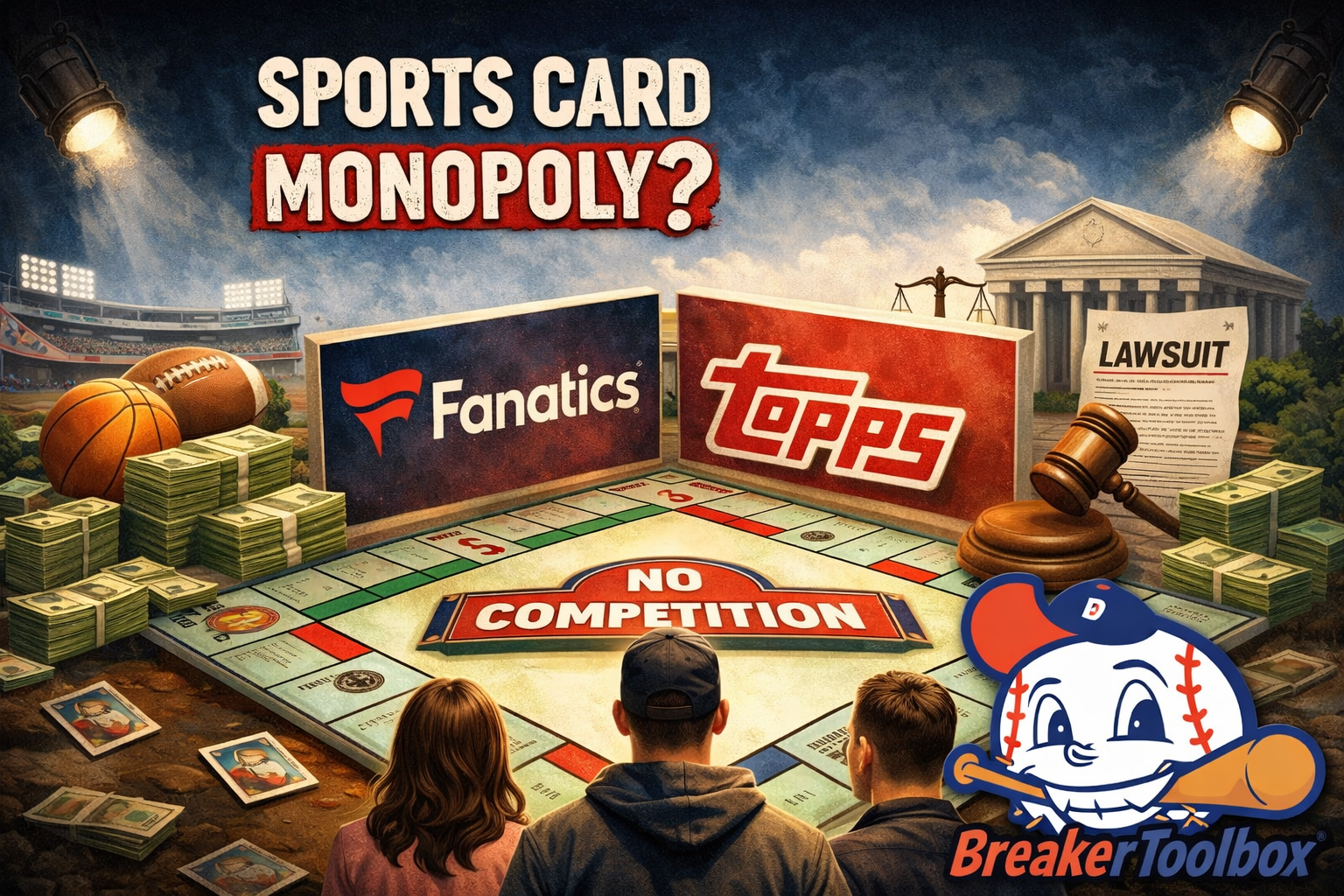
These deals mean only Fanatics (using the Topps brand) can produce officially licensed cards for those leagues.
👉 By 2026, they effectively control all three major U.S. sports card licenses.
2. They bought Topps
Fanatics didn’t just win licenses—they also:
- Acquired Topps in 2022
- Took over its production infrastructure and brand equity
This gave them instant dominance in baseball and a launchpad for other sports.
3. Competitors are getting squeezed out
The biggest example is Panini:
- Lost NBA license (2025)
- Lost NFL license (2026)
- Suing Fanatics for antitrust violations
There are also claims Fanatics:
- Poached employees
- Locked up manufacturing
- Pressured distributors and athletes into exclusivity
4. Lawsuits literally claim “monopoly”
Multiple lawsuits (including class actions) argue:
- Fanatics created a monopoly
- Prices may rise
- Consumer choice may shrink
⚖️ Why it’s not officially a monopoly (yet)
Legally, a monopoly requires more than dominance—it requires illegal suppression of competition.
Right now:
- Courts haven’t ruled Fanatics a monopoly
- Some claims in lawsuits have even been dismissed, while others continue
Also:
- Unlicensed cards still exist (Panini, Leaf, etc.)
- Secondary market (eBay, breaks, grading) is still open
👉 So technically, competition exists—just not in licensed cards, which is the key issue.
🧠 The real nuance (this is important)
Fanatics doesn’t have a monopoly on:
- Card printing
- Autographs
- The secondary market
But they do have near-total control over “official” cards, which is what most collectors care about.
That’s why many people call it a:
“licensed monopoly” or “quasi-monopoly”
📊 What this means for the hobby
Potential positives
- Better integration (cards, breaks, marketplaces)
- More innovation (patch cards, digital tie-ins)
- Bigger marketing push to grow the hobby
Potential negatives
- Less competition → higher prices
- Overproduction risk
- Less variety in products
- More control over breakers/shops
🧾 Bottom line
- Yes (practically): Fanatics/Topps is becoming the dominant gatekeeper of licensed sports cards
- No (legally): It’s not officially a monopoly—yet
- Ongoing: Courts and lawsuits will decide how far they can go